Vape Culture: Exploring the Rise of Vaping in Today's Society
Vape culture has risen as a notable movement among young adults, driven by a desire for healthier alternatives and diverse flavor options. Social media amplifies this trend, portraying vaping as a mainstream and accepted lifestyle. However, the health implications remain contentious, raising questions about safety. As vaping establishments transform into social gathering spaces, the characteristics of this movement remain in constant flux. Where is this rapidly developing culture headed?
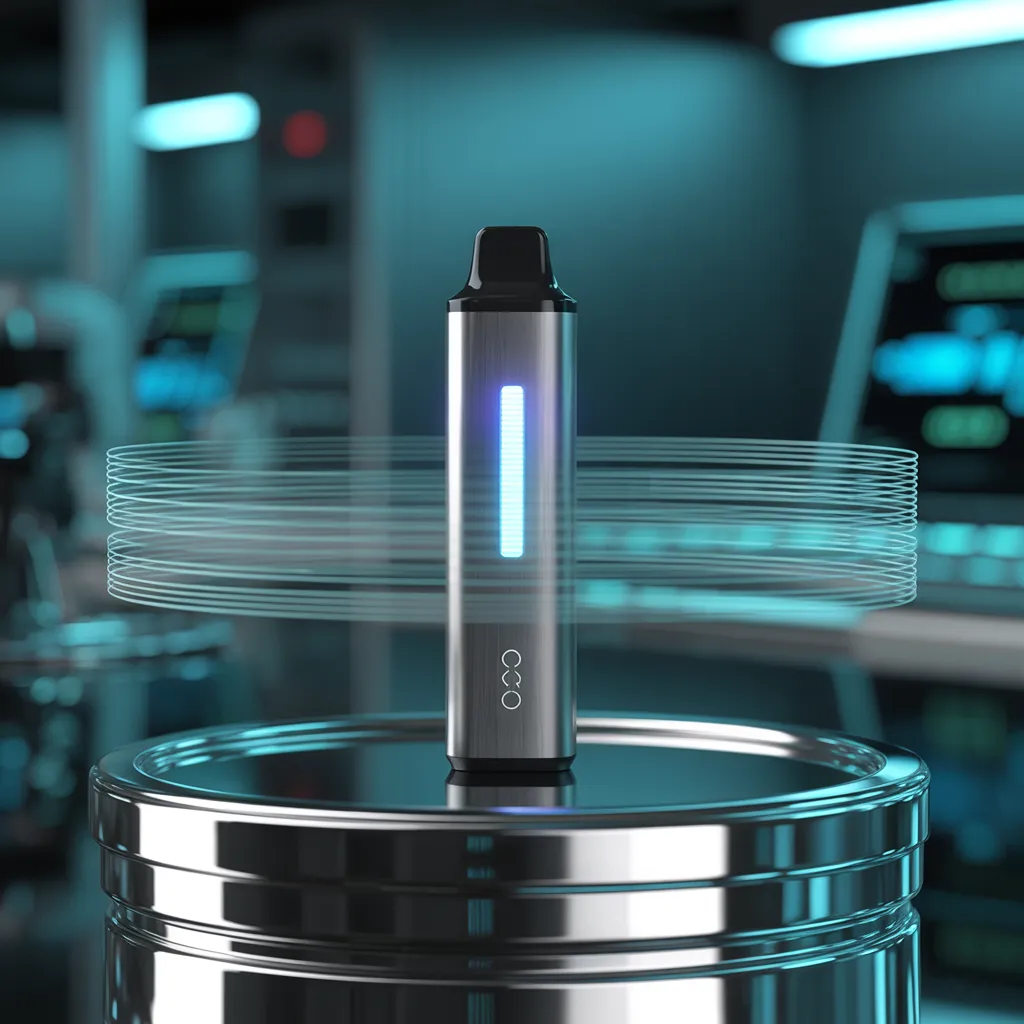
Why Are So Many People Making the Switch to Vaping?
As the understanding of the health dangers linked to conventional smoking increases, numerous people are choosing vaping as what they consider a healthier option. This shift is driven by a combination of factors, such as the attractiveness of diverse flavors and adjustable features that vaping products offer. Many users appreciate the varied flavors, which range from fruity to dessert-inspired, making the experience more enjoyable compared to conventional tobacco. Moreover, vaping is commonly perceived as a more socially embraced habit, particularly within younger populations. The innovation within vaping devices additionally enables a degree of management over nicotine consumption, attracting individuals seeking to lower their intake steadily. Beyond that, the notion that vaping is less bothersome and leaves behind fewer persistent odors compared to smoking plays a role in its increasing prominence. Consequently, a wide variety of people, ranging from ex-smokers to those newly introduced to nicotine, are progressively transitioning to vaping.
Can Vaping Be Considered Safe? The Health Controversy?
When comparing the safety of vaping to traditional smoking, what do we find? This question has sparked considerable debate among health professionals and the public alike. Even though vaping is commonly presented as a less harmful substitute for smoking, the actual situation is considerably more complicated. E-cigarettes typically contain fewer toxic substances than traditional cigarettes, which could theoretically reduce some health risks. Nevertheless, vaping continues to deliver dangerous substances into the body, such as nicotine, which may result in dependency and possible heart-related complications.
Emerging research has raised concerns about the lasting impacts of the inhalation of vaporized materials, particularly since many ingredients in e-liquids remain unstudied. Additionally, documented cases of lung injuries tied to vaping have surfaced, deepening the uncertainty about its overall safety. At the end of the day, while vaping might carry fewer hazards than traditional smoking, it is still associated with notable risks, calling for cautious deliberation among users and policymakers.
Who Is Getting Into the Vaping Trend?
Who finds appeal in the vaping phenomenon? A broad spectrum of individuals is drawn to vaping, encompassing a wide range of demographics and backgrounds. People in their youth, notably those ranging from their late teens to early twenties, often seek alternatives to traditional smoking, seeing vaping as a trendy and modern personal choice. Numerous individuals are driven by the idea that vaping is a safer alternative and offers a customizable experience through various flavors and nicotine levels.
Additionally, ex-smokers transitioning to vaping constitute a considerable segment. They may see it as a means to reduce nicotine consumption while still enjoying the act of inhaling. Curiosity also drives some individuals, as the social aspects of vaping attract those looking to connect with peers or explore new experiences. The ease of access to vaping, paired with its perceived freshness, keeps attracting a wide range of individuals to the vaping community.
How Social Media Shapes Vape Culture
In what way does social media impact the vaping community? Social media networks have grown increasingly central to the promotion and normalization of vaping among different groups. Through visually engaging content, influencers showcase vaping as a lifestyle choice, often emphasizing its aesthetic appeal and social aspects. Vaping-related hashtags and online challenges foster a sense of belonging, motivating users to exchange their experiences and personal preferences. Moreover, social platforms including Instagram and TikTok empower users to generate and spread tutorials, vaping techniques, and product assessments, increasing the prominence of vaping products and brands.
This ongoing engagement creates an environment where vaping is not just a routine but a means of individual expression. The viral nature of social media accelerates tendencies, leading to rapid shifts in consumer preferences. Consequently, social media functions as a double-edged sword, both promoting awareness of vaping and perhaps embellishing the activity, particularly among younger audiences.
How Vaping Affects Your Lifestyle Choices
Vaping has emerged as a major influence on modern lifestyle decisions, impacting a wide range of aspects from social dynamics to personal expression. For numerous individuals, vaping functions as a social bridge, encouraging bonds in both review now informal and formal contexts. Engaging in vaping commonly produces a mutual experience among its users, nurturing community relationships and defining expectations around group interactions.
Furthermore, vaping has redefined personal identity for certain people, separating them from traditional smokers or non-smokers. The choice of flavors, devices, and brands empowers individuals to express their preferences and tastes, contributing to a sense of uniqueness.
In addition, health perceptions related to vaping have driven lifestyle shifts; some users see it as a safer alternative to smoking, while some incorporate it within health and fitness conversations. At its core, vaping shapes decisions surrounding social engagement, identity expression, and wellness, showcasing its remarkable reach across contemporary ways of living.
Vape Shops: Community Hubs for Enthusiasts
In the evolving landscape of vaping culture, vape shops are now recognized as vital community hubs for vaping enthusiasts. Such venues function as meeting spots where customers can connect over their mutual passion for vaping. Going beyond simple retail, vape shops often host special events, such as product tastings and educational workshops, cultivating a sense of community among patrons.
The experienced staff consistently share useful knowledge into the latest devices and e-liquids, improving the overall vaping journey. This personalized service helps build trust and loyalty within the community. Moreover, vape shops commonly cultivate friendly environments, promoting meaningful connections between customers, which often results in strong friendships and supportive networks.
As the vaping trend continues to grow, these shops serve a vital role in shaping a culture centered around exploration and education. By emphasizing community participation, vape shops not only enrich individual journeys but also aid in building a dynamic, interconnected vaping culture.
Future Trends in Vape Culture
In what ways will vape culture transform as technology and social perspectives change? As advancements in vaping technology continue, innovations including smart devices and tailored options will likely draw in a larger consumer base. Enhanced user interfaces and app integrations may facilitate personalized experiences, allowing consumers to track usage and flavor preferences. Additionally, the growing emphasis on health and wellness could reshape perceptions, leading to more acceptance of vaping as a less harmful alternative to smoking.
Policy modifications will also be significant as governments implement stricter regulations, manufacturers may focus on transparency and quality, cultivating a more conscientious sector. Public perceptions could keep evolving, with vaping gaining wider acceptance in popular culture, comparable to the craft beverage or specialty drink movement. Fundamentally, the evolution of vaping will be defined by a combination of technological advancement, legislative guidance, and shifting societal views, establishing a singular standing in current cultural discourse.
Common Questions and Answers
What Are the Most Popular Flavors Among Vapers Today?
Fruit-based flavors, notably watermelon, mango, and berry, dominate the vaping market today. Indulgent dessert flavors, including chocolate and vanilla custard, are also widely popular, drawing in those who desire rich and satisfying vaping experiences.
How Much Does Vaping Typically Cost Monthly?
The monthly cost of vaping generally fall from $30 to $100, based on device type, usage habits, and e-liquid preferences. Consistent users may find expenses vary considerably depending on their own preferences and vaping frequency.
What Are the Age Requirements for Buying Vape Products?
There are indeed age restrictions when it comes to purchasing vape products. In many regions, individuals must be at least 18 or 21 years old, according to local legislation, to legally purchase vaping devices and related accessories.
Can Vaping Assist People in Quitting Smoking for Good?
Vaping might support some users in completely giving up smoking by offering a safer substitute. However, its effectiveness varies among users, and dependence on vaping may result in ongoing nicotine addiction for some.
What Are Widespread Misconceptions About Vaping?
Frequent misconceptions surrounding vaping include beliefs that it is entirely harmless, that it doesn't contain harmful substances, and that it serves only as a stepping stone to smoking. Such misconceptions can influence perceptions and behaviors surrounding vaping.